


Wartime ration books, a 1953 sugar boom, and brains scanned 70 years later tell a surprising story.
Britain’s postwar kitchens were not trying to invent brain science. They were just short of sugar. From 1942 until September 1953, families lived on about 41 grams a day — roughly ten sugar cubes. When rationing ended, intake almost doubled overnight to around 80 grams. That sudden swing created a rare natural experiment. Decades later, researchers used it to ask a simple question: does less sugar in the first 1,000 days of life leave a mark on the aging brain?
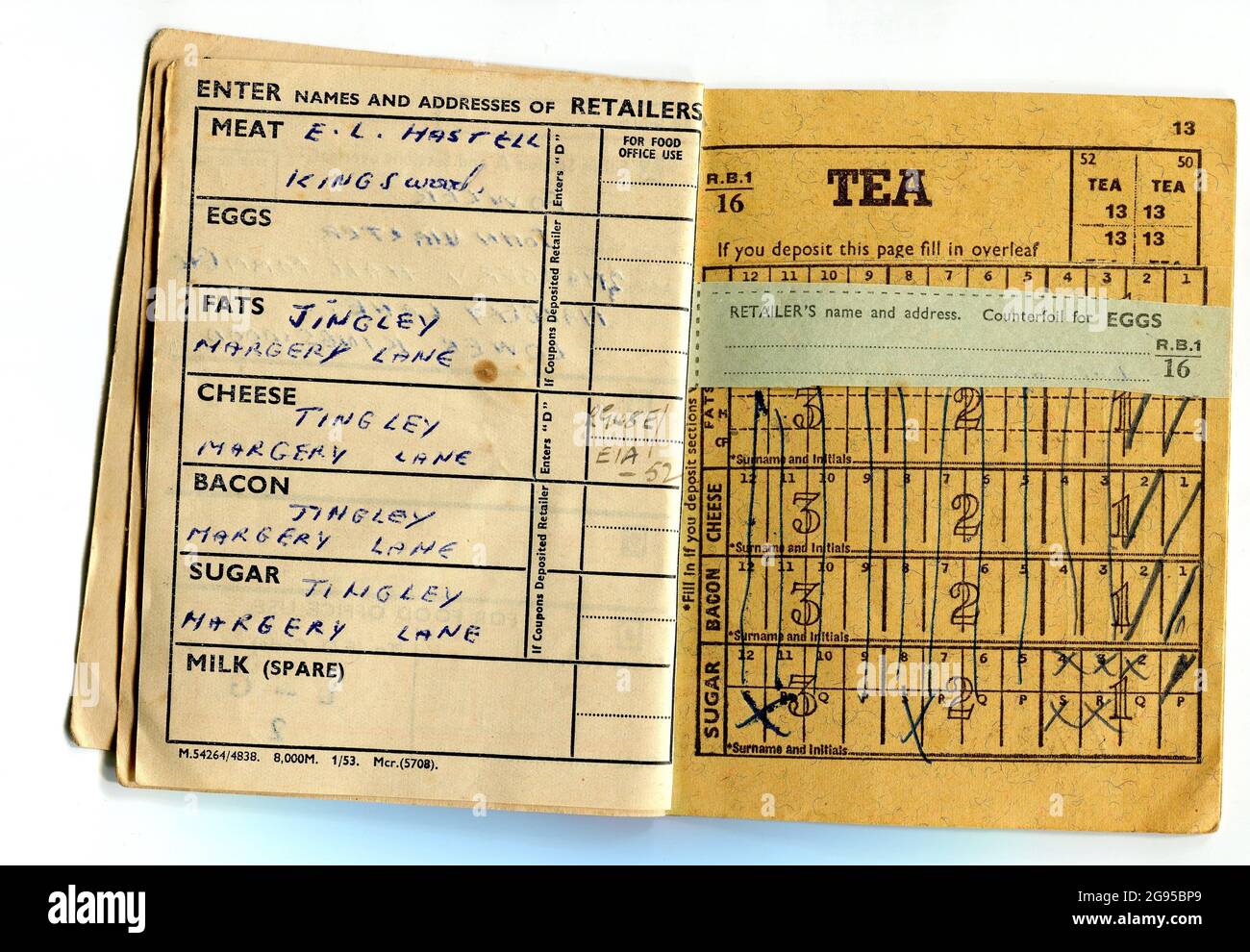
What the records show
Two 2026 studies of UK Biobank adults born around that cutoff say yes, at least as an association. In Neurology, Jiazhen Zheng and colleagues tracked 64,737 people. Those exposed to rationing in the womb and through age one had a 21% lower risk of all-cause dementia. Exposure through age two brought a 23% lower risk. Onset, when it came, arrived about 2.6 years later. Brain scans in a subset showed more gray matter, fewer white-matter scars, and sharper processing speed. Diabetes and high blood pressure explained only about a quarter of the link.
A companion analysis in npj Aging of about 60,000 people born 1951–1956 found a 27% lower risk of all-cause dementia and a 46% lower risk of Alzheimer’s for those whose first 1,000 days fell under rationing. Depression and anxiety risks also fell. MRI suggested brains that looked about 0.4 years younger, with larger hippocampi. In-utero-only exposure was far weaker. The postnatal window mattered most.
Neither paper proves sugar causes dementia. Rationing changed more than desserts. Still, the abrupt policy change, similar backgrounds, and consistent imaging make the signal hard to dismiss.
Why the first 1,000 days
That stretch — conception to age two — is when the brain grows fastest and metabolic “set points” lock in. High early sugar may nudge insulin resistance, inflammation, and vascular wear that show up as dementia decades later. The 2024 Science paper on the same rationing era already tied early restriction to lower midlife diabetes and hypertension. The new work extends that path into cognition.
What parents can do now
You do not need a wartime ration book. Current guidance already points the same way. WHO says do not add sugar to complementary foods and keep sugar-sweetened drinks away from children under two. U.S. dietary guidelines say the same: no added sugars before age two. Breast milk or formula, fruit, vegetables, and plain yogurt do the job. Flavored pouches and “toddler” juices do not.
Small habits add up: skip the extra spoon of honey in porridge, read labels on baby snacks, and treat juice as an occasional food, not a drink. The wartime generation did not choose their diet. Today’s parents can.
AI Disclosure: This article was created with the assistance of artificial intelligence tools and was reviewed and edited by the Glowls News editorial team before publication.