
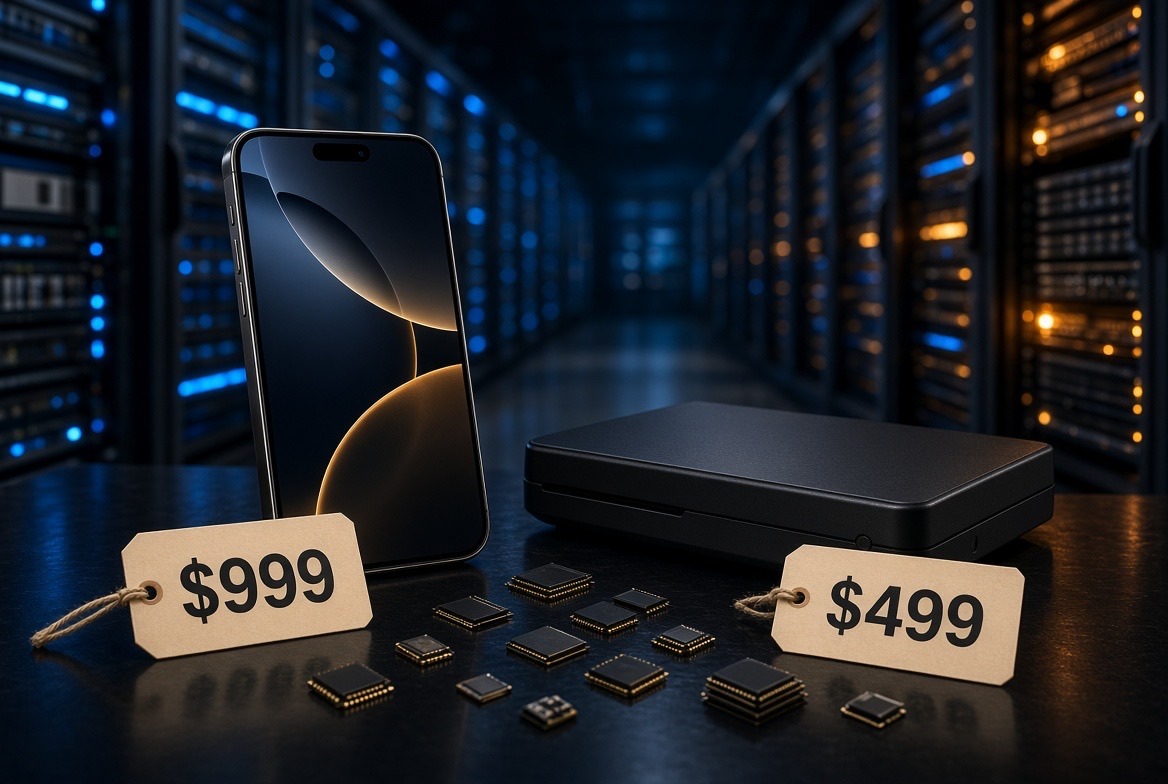

Memory chips once cheap as plastic now set the price of gadgets.
For two decades, phones and consoles got faster while prices held still. That bargain is breaking. Data centers racing to train large AI models have pulled DRAM and NAND away from consumer devices, and buyers are seeing the bill.
Gartner expects smartphone prices to rise about 13 percent this year and PC prices about 17 percent versus 2025. IDC says the average phone already costs roughly $94 more than a year ago. Memory that once made up under 10 percent of a budget handset’s bill can now eat 40 percent or more.
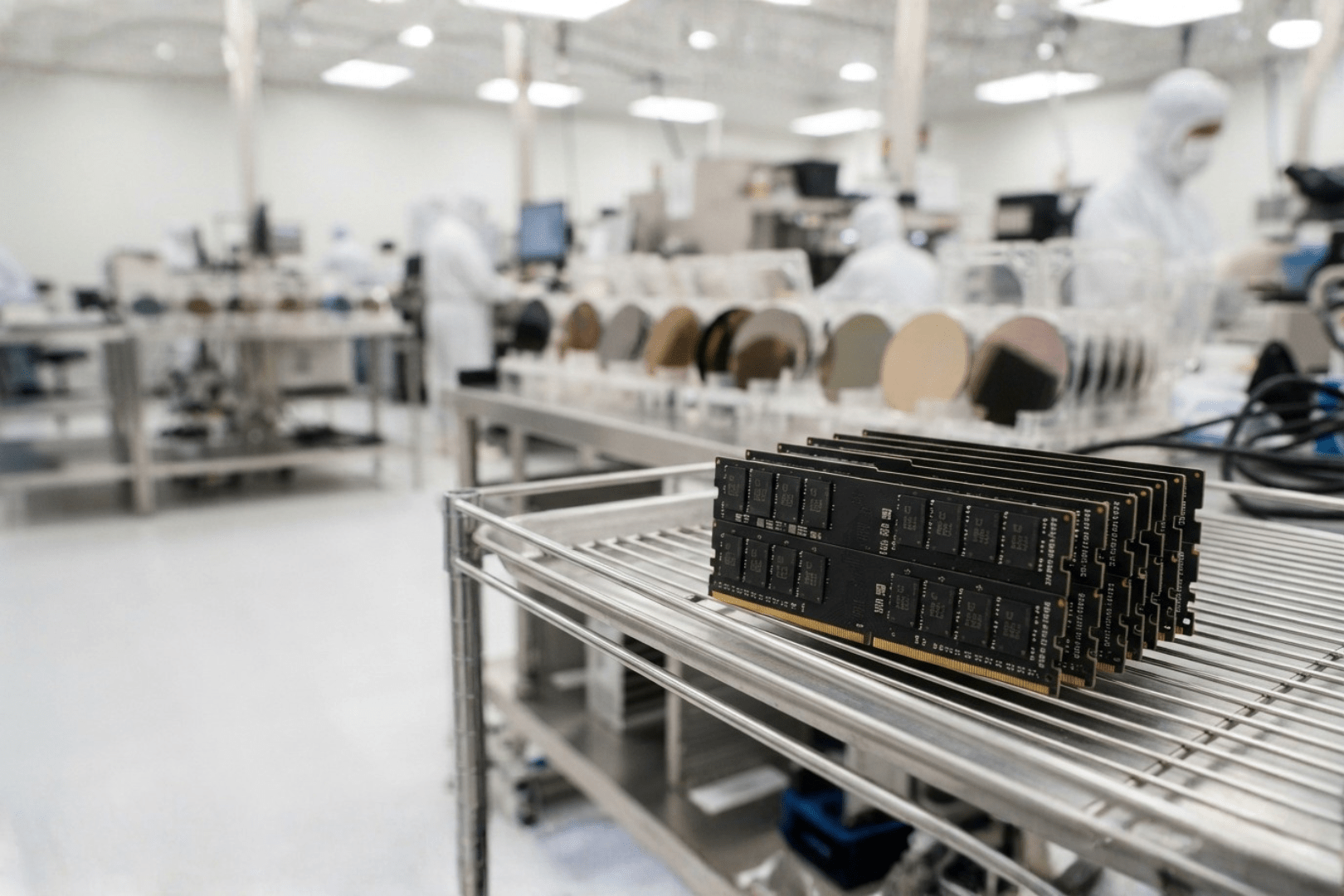
Why memory suddenly costs a fortune
Samsung, SK Hynix, and Micron control more than 95 percent of DRAM. They have shifted wafer lines toward high-bandwidth memory stacked on AI accelerators because those parts pay far better. Every wafer sent to HBM is one fewer for the LPDDR chips in phones and consoles.
Counterpoint found 16GB of smartphone DRAM jumping from about $42 in mid-2025 to about $181 a year later. Xbox said console storage and memory prices rose more than 2.5 times and could double again by fall 2027. Tim Cook called the surge a “100-year flood.”
Consoles feel it first
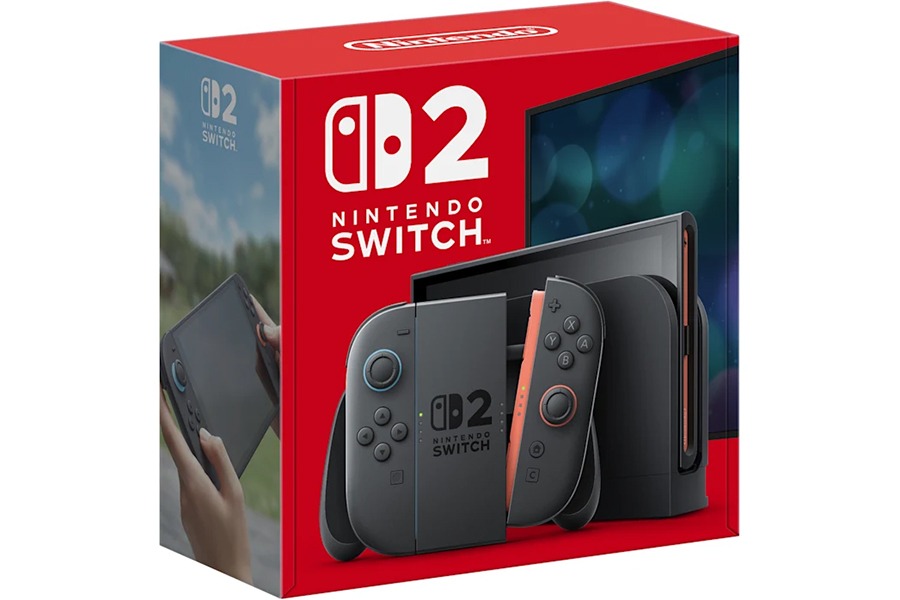
Consoles sell near or below cost, so component spikes hit them fast. Microsoft raised Xbox Series S and X prices by $100 to $150 from August, taking a 1TB Series X to $799.99. Sony lifted the PS5 disc model to $649.99 and the Pro to $899.99. Nintendo moved Switch 2 from $449.99 to $499.99 on September 1.
Xbox put it plainly: unlike phones, consoles are “typically not sold at a profit.” Valve priced its Steam Machine above $1,000 after citing the same component shock.
Phones follow the same path
Samsung raised Galaxy S26 and foldable prices. Motorola added $100 to $200 across several 2026 models. Chinese volume brands cut shipment outlooks. Analysts now flag a possible $200 jump on iPhone 18 Pro models as Apple’s long-term memory contracts roll off.
Nothing CEO Carl Pei said memory is now “more expensive than the processor” and “more expensive than the display.” Budget phones suffer most. Some entry devices have seen memory’s share of cost climb past 50 percent. IDC and Gartner both expect weaker unit sales as buyers delay upgrades.
How long this lasts
New fab capacity for consumer DRAM is not expected in volume until 2028. Micron’s CEO has said the squeeze lasts through 2027. SK Hynix’s chairman has warned it could run longer. Until then, buyers get higher stickers, thinner specs, or both
AI Disclosure: This article was created with the assistance of artificial intelligence tools and was reviewed and edited by the Glowls News editorial team before publication.