
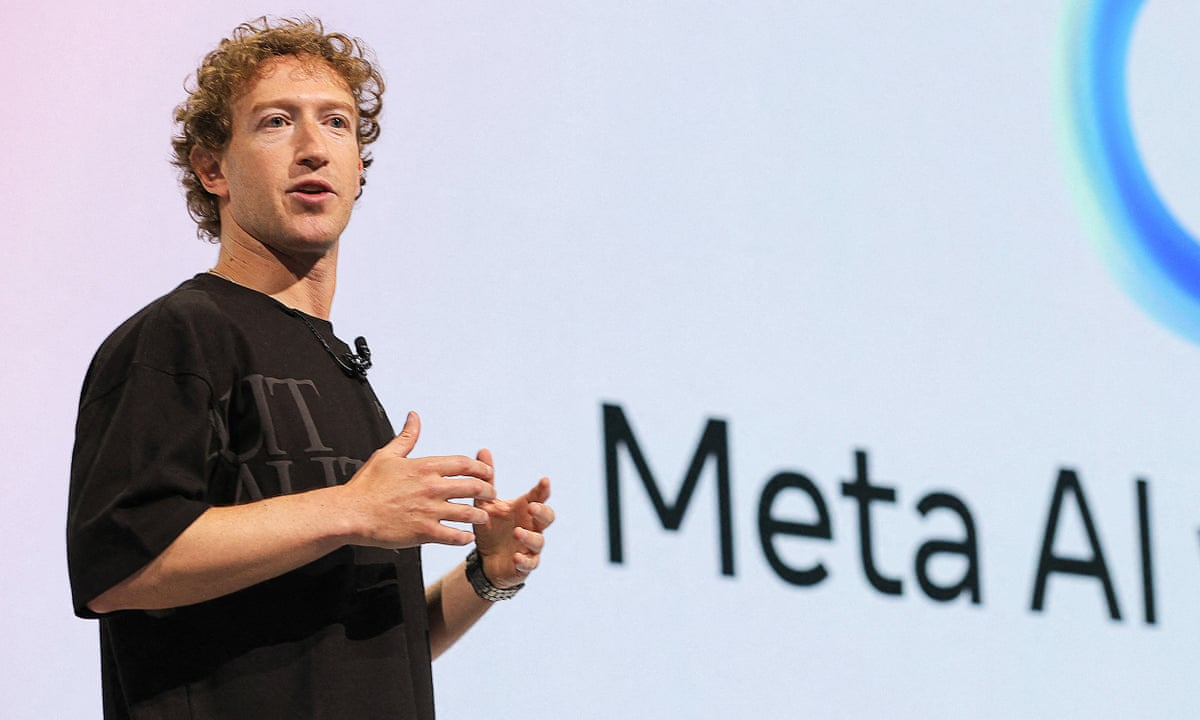

Meta’s CEO says walls won’t win the race—fix America’s own gaps instead.
Mark Zuckerberg has a clear message for Washington: blocking Chinese AI will not keep the United States ahead. In a Financial Times interview published in late July 2026, the Meta chief called a ban on advanced Chinese models “not an effective solution.”
He argued American companies should systematically find and remove their own bottlenecks instead of building regulatory walls. The comments land amid rising tension over Chinese progress and claims of intellectual property issues involving labs like Moonshot AI and its Kimi K3 model.
Compete Harder, Don’t Build Barriers
Zuckerberg’s stance prioritizes competition over restriction. He warned that bans risk “regulatory capture,” where a handful of dominant U.S. frontier labs shape rules to protect their position and limit domestic rivals.
The timing coincides with broader Trump administration moves. Officials have discussed potential sanctions or Entity List placements against Chinese firms accused of IP theft. The administration also announced bans on certain new Chinese robot and power inverter imports to protect U.S. AI infrastructure.
Zuckerberg’s view aligns with his long-standing push for open and distributed AI. In a concurrent Wall Street Journal op-ed, he argued superintelligence should empower individuals rather than concentrate in a few institutions. He has framed the defining question as who gets access—not whether the technology arrives.
Industry Split Deepens
The debate splits Silicon Valley. Meta, Nvidia, Microsoft and others favor open weights and broader access. OpenAI and Anthropic have pushed tighter controls on the most capable systems, citing safety and security risks.
Chinese open models have gained attention for strong performance at lower cost, intensifying questions about whether U.S. firms will adopt them. Zuckerberg maintains the better path is identifying American weaknesses—compute, talent pipelines, energy, or regulation—and fixing them aggressively.
His position underscores a practical industry reality. Restrictions may slow Chinese access in the U.S. market, but they do little to accelerate American innovation or close performance gaps. The focus, he insists, should stay on building stronger systems rather than locking others out.
Washington continues weighing national security against competitive dynamics. Zuckerberg has planted Meta firmly on the side of openness and self-improvement.