
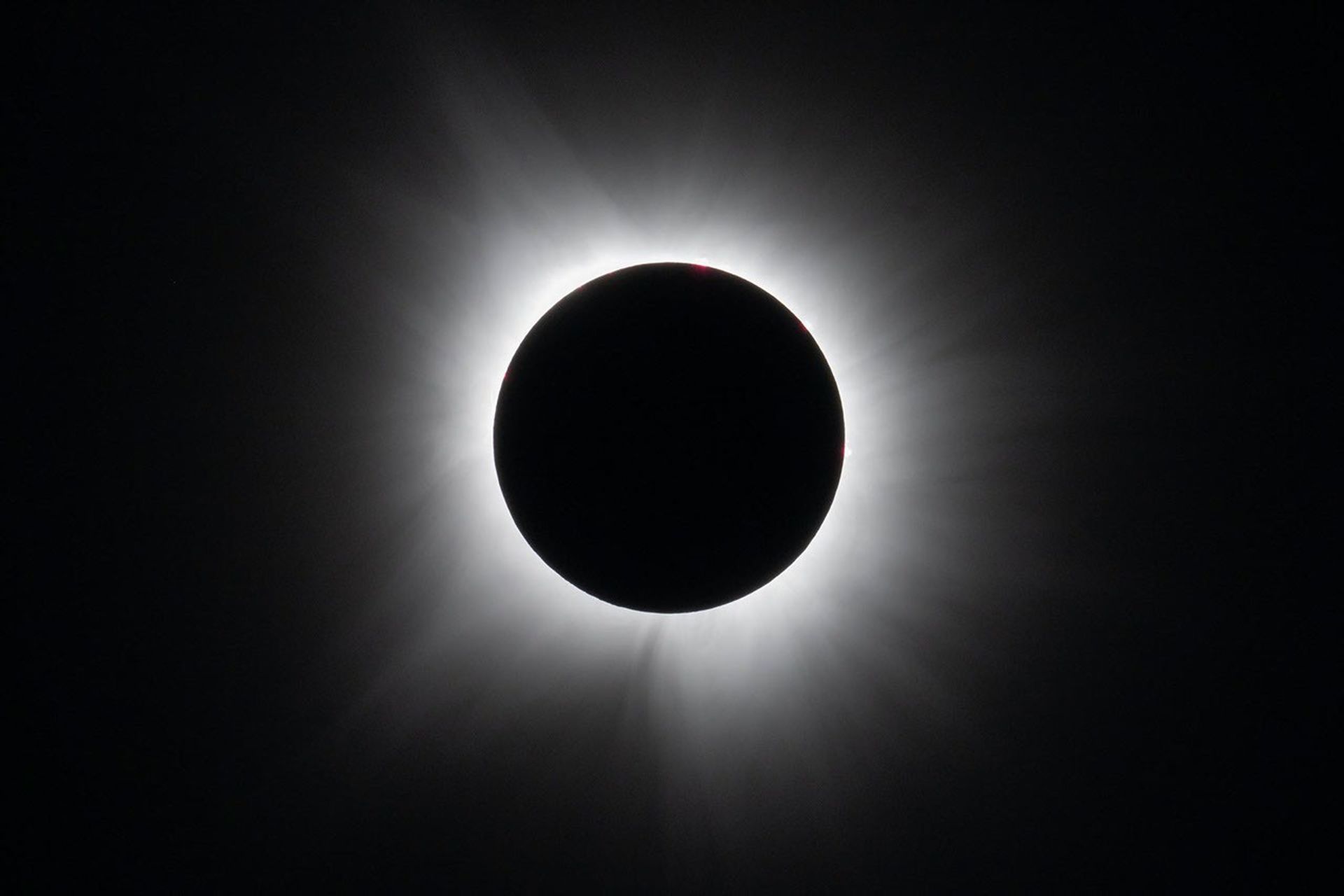

A major total solar eclipse will sweep across Earth’s Northern Hemisphere on Wednesday, August 12, 2026, offering millions of skywatchers and researchers a rare view of the Sun’s superheated outer atmosphere.
According to reports released by NASA and NASA’s Scientific Visualization Studio (SVS), the narrow path of totality will begin near the North Pole in far northern Siberia before traveling through the Arctic Ocean, western Iceland, Greenland, the Atlantic Ocean, northern Spain, and the northeastern tip of Portugal.
There's a solar eclipse happening on Wednesday, Aug. 12 — and if you're not in the path of totality, you can watch along with us online! Get the details: https://t.co/aAYzLGEqPU pic.twitter.com/7yrWQpTkld
— NASA (@NASA) July 29, 2026
Path of Totality & Global Visibility
During a total solar eclipse, the Moon passes directly between the Earth and the Sun, completely blocking direct sunlight for observers along the center of the shadow path.
- Path of Totality: The Moon’s inner shadow (the umbra) will move from east to west across Siberia and Greenland before sweeping across Iceland (including Reykjavík) and into northern Spain, where the eclipse will take place shortly before sunset.
- Maximum Duration: The greatest duration of totality will occur just off the western coast of Iceland, lasting approximately 2 minutes and 18 seconds.
- Partial Eclipse Regions: A partial solar eclipse—where a portion of the Sun is covered—will be visible across a much broader area, including most of Europe, northwestern Africa, Canada, and parts of the northern United States (from Alaska to North Carolina).
Scientific Campaigns & Live Broadcast
NASA-funded researchers plan to leverage this event for intensive solar atmospheric research. Because the Moon blocks the Sun’s overwhelming brightness, scientists can observe the solar corona—the Sun’s volatile outer atmosphere—to analyze how solar activity drives space weather and influences Earth’s magnetic environment.
- High-Altitude Science: Scientific teams will deploy high-altitude research aircraft flying under the Moon’s shadow alongside specialized balloon flights to measure real-time atmospheric changes triggered by sudden daylight loss.
- Official Live Stream: NASA announced it will broadcast live coverage of the event online starting at 1:15 p.m. EDT (17:15 UTC) on August 12.
Eye Safety Guidelines
NASA emphasizes that eye protection is mandatory at all times when watching partial phases of the eclipse. Spectators must use certified eclipse glasses or safe solar viewers meeting the ISO 12312-2 international standard. Looking directly at the Sun through cameras, binoculars, or telescopes without specialized front-mounted solar filters can cause permanent eye damage.