

Successful liftoff restores confidence after last year’s failure and advances Japan’s independent navigation network.
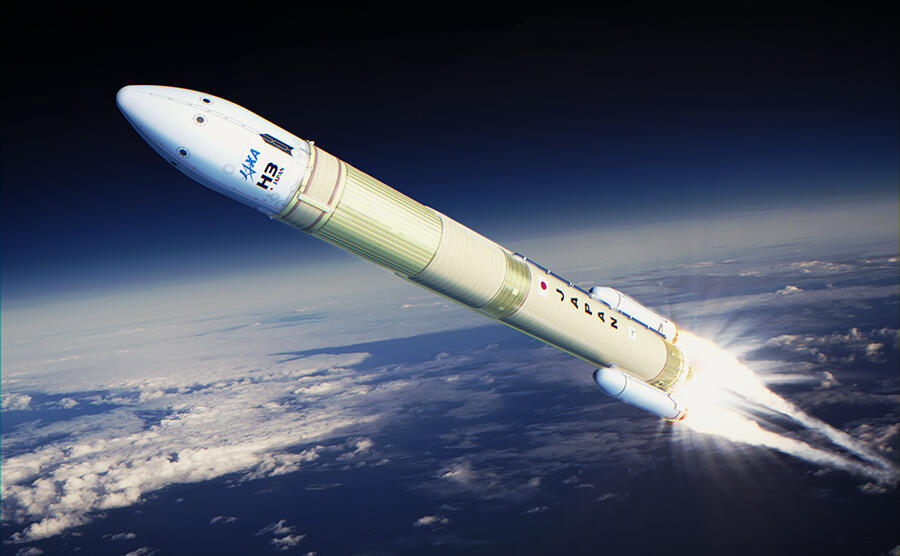
Japan’s flagship H3 rocket roared to life before dawn on Tuesday, lifting the Michibiki No. 7 positioning satellite into space and marking a key recovery for the nation’s launch program.
The H3 No. 9 lifted off at 4:23 a.m. Japan time from the Tanegashima Space Center in Kagoshima Prefecture. About 29 minutes later the rocket released the satellite into its planned orbit. Officials confirmed the mission a success.
This flight was the first to carry an operational satellite since the December 2025 failure of H3 No. 8, which lost Michibiki No. 5. A successful test flight in June had already returned the rocket to flight status. With this result, seven of nine H3 launches have now succeeded.
Why Michibiki Matters
Michibiki forms Japan’s Quasi-Zenith Satellite System, a regional counterpart to the U.S. GPS network. The satellites deliver more precise location data—down to centimeters in some applications—especially useful in urban canyons and mountainous terrain where GPS signals weaken. They support smartphone navigation, vehicle systems, and disaster alerts such as earthquake warnings.
Japan aims for a constellation of seven satellites to provide continuous positioning without relying on foreign systems. The loss of No. 5 means the network will operate with six satellites for now, including the newly arrived No. 7. Longer-term plans call for expansion to 11 satellites.
JAXA H3 project manager Makoto Arita said the team approached the launch with heightened determination after the earlier setback. “We made improvements with a determination not to fail again and were able to conduct a launch with enhanced reliability,” he told reporters. “As a result, we’ve achieved a good outcome.” He described the success as raising the banner for the return to practical operations.
The H3, developed by JAXA and Mitsubishi Heavy Industries, is Japan’s successor to the long-serving H-IIA. Restoring its reliability is essential for future government and commercial missions, including planned science probes. Tuesday’s clean flight shows the rocket is back on track.
For everyday users, better domestic positioning means more accurate maps, safer autonomous systems, and stronger disaster response tools across Japan.
AI Disclosure: This article was created with the assistance of artificial intelligence tools and was reviewed and edited by the Glowls News editorial team before publication.