

A first-of-its-kind orbital grab failed. The gamma-ray hunter that lasted 22 years now has months left.
NASA called off its $30 million attempt to save the Neil Gehrels Swift Observatory after the rescue craft could not hold a stable attitude. The 2004 telescope will likely burn up later this year. Officials say reentry is not expected before October.
Swift never had thrusters. Solar storms puffed up Earth’s upper air and dragged it down faster than planners expected. Its orbit fell from about 373 miles to roughly 214 miles. Controllers paused most science work in February to buy time.
A nine-month sprint that almost worked
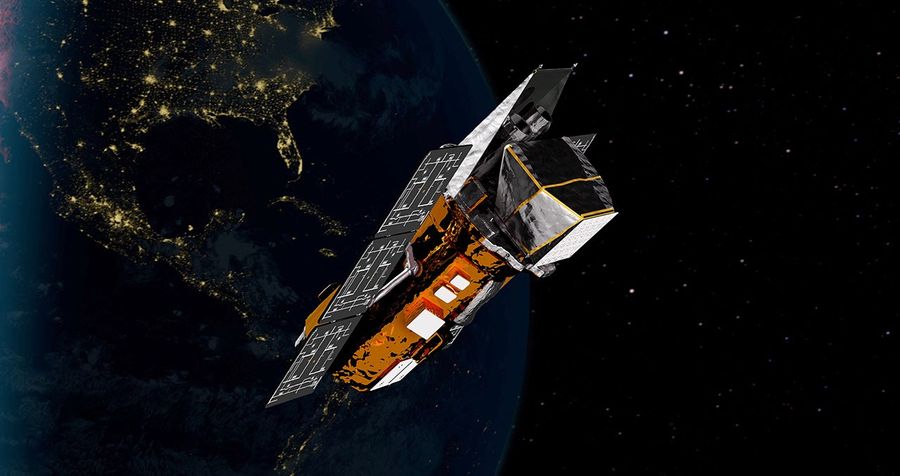
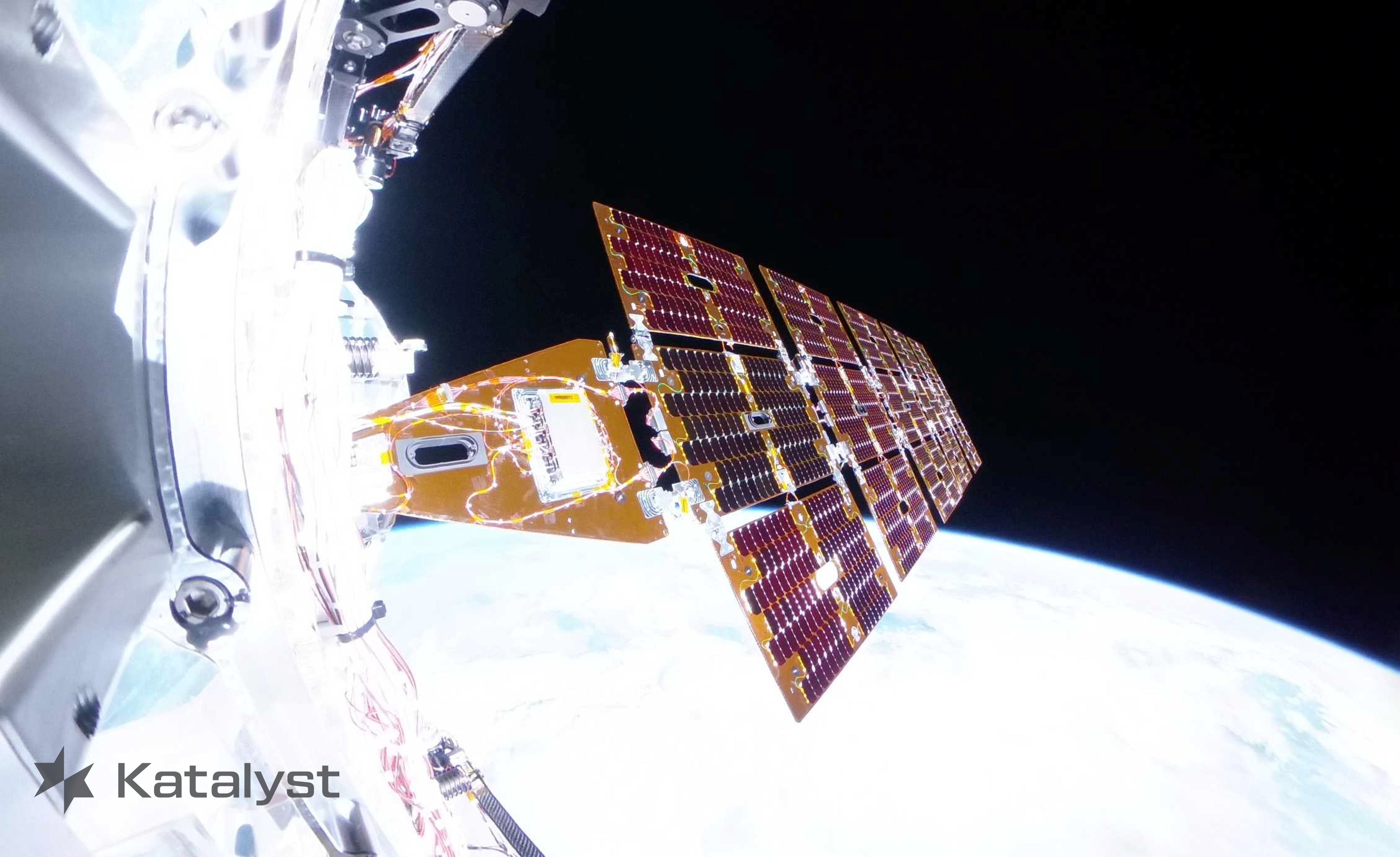
In September 2025, NASA paid Flagstaff startup Katalyst Space Technologies $30 million to build LINK, a refrigerator-size robot with three arms. The company designed, tested, and launched it in under a year. LINK rode the last Pegasus XL rocket on July 3 from Kwajalein Atoll, dropped from Northrop Grumman’s Stargazer jet.
The plan was simple on paper and brutal in practice. Chase Swift. Photograph it. Clamp onto structure never built for docking. Then fire electric thrusters and lift the 1.6-ton observatory back toward 600 kilometers.
Weeks after launch, two of LINK’s three reaction wheels failed. The craft spun. Communications flickered. Teams burned xenon thrusters to slow the tumble. The same fuel was needed to push Swift. The math no longer closed.
Why Swift still mattered
Swift was built for a two-year hunt of gamma-ray bursts—the universe’s brightest, briefest explosions. It kept working for more than two decades. No other orbiting observatory matches its speed: detect a burst in one to two minutes, then swing X-ray and ultraviolet telescopes onto the afterglow. That alert chain feeds Hubble, ground telescopes, and now the next generation of time-domain surveys. Losing it leaves a gap no current mission fully fills.
NASA Administrator Jared Isaacman did not dress up the result. “This is not the outcome we were working toward, but it does not change why this mission was worth attempting,” he said. “The team moved with extraordinary speed to give Swift a chance to carry out more science while advancing capabilities America will need for satellite servicing.”
Shawn Domagal-Goldman, NASA’s astrophysics director, called it a high-risk, first-of-its-kind try driven by the Sun’s activity. Hubble, also losing altitude, was next in line if LINK had succeeded.
What happens now
LINK will still try a close rendezvous. No grab. No boost. Just cameras, navigation data, and lessons for the next servicing flight. Katalyst CEO Ghonhee Lee said the company will extract whatever value remains from the spacecraft. NASA has no second Swift rescue on the books.
Most of the observatory should burn on the way down. Any fragments are expected to fall in the ocean. In its last weeks, Swift can still flag bursts with its Burst Alert Telescope. Full slews stay off to keep drag low.
The $30 million did not buy more years of Swift. It bought a hard lesson: in-space rescue of an unprepared satellite is possible in theory and unforgiving in hardware. Astronomers now race the calendar, not a tugboat.
AI Disclosure: This article was created with the assistance of artificial intelligence tools and was reviewed and edited by the Glowls News editorial team before publication.