
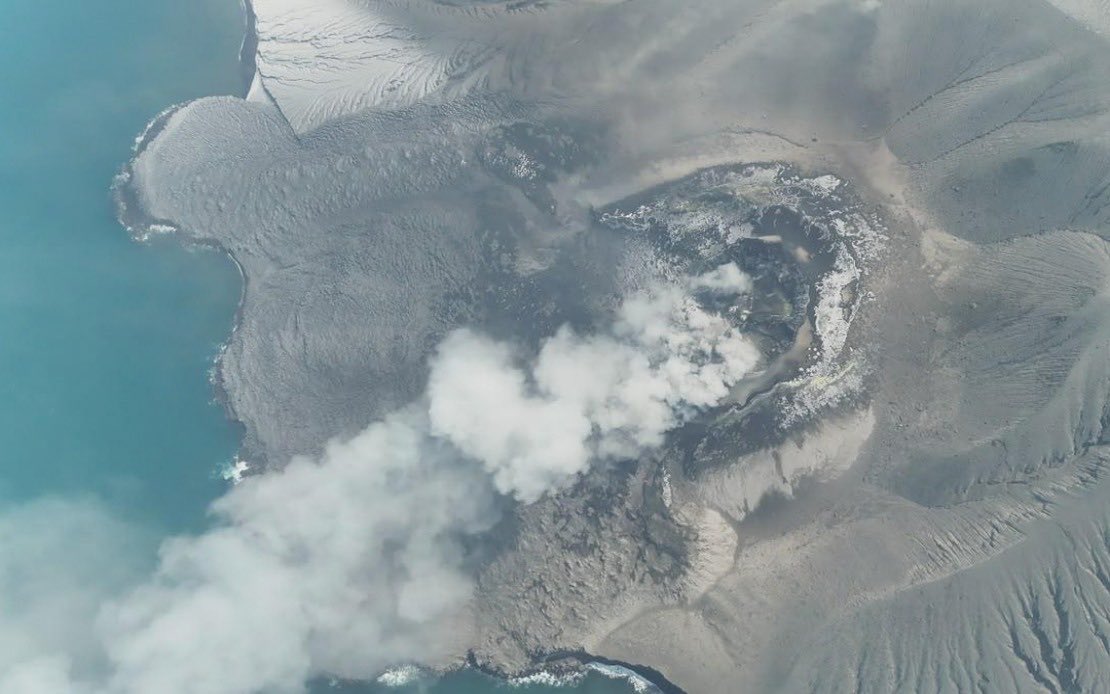

Olcanic plume from the Sunda Strait volcano forces Soekarno-Hatta to close as ash hits flight paths and nearby towns.
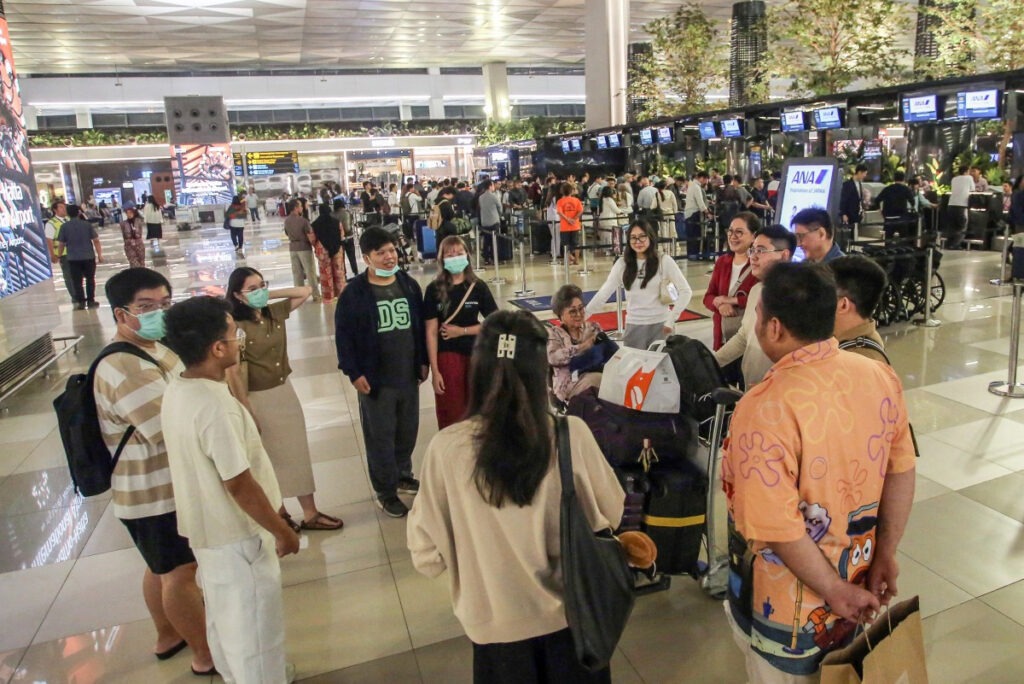
Passengers at Soekarno-Hatta International Airport woke to cancelled boards and grounded jets on Sunday. Fine volcanic ash from Anak Krakatau, more than 150 kilometers away in the Sunda Strait, had drifted over Jakarta’s busiest gateway.
The airport first halted flights in the early hours after a paper test confirmed ash on the apron. Officials then stretched the shutdown past dawn, then again into the afternoon as the plume held. Hundreds of domestic and international services were cancelled, delayed or diverted. Singapore Airlines cancelled remaining Jakarta flights for the day. Qantas reported disruptions on its Jakarta routes.
Anak Krakatau (Son of Krakatoa) erupsi / meletus beberapa saat yang lalu.
— Juunism🍀 (@DeilyUpdate) September 6, 2026
Krakatau sendiri merupakan salah gunung paling terkenal dalam sejarah. Letusan Gunung Krakatau pada 27 Agustus 1883 adalah salah satu bencana vulkanik paling dahsyat dan mematikan dalam sejarah modern.… https://t.co/IsCrSiwAMF pic.twitter.com/rGHTk4sPWi
How far the ash climbed
Indonesia’s meteorological agency BMKG tracked ash to about 20,000 feet on the Java side and as high as 50,000 feet toward Sumatra and parts of Banten. The Darwin Volcanic Ash Advisory Centre flagged a high-level plume moving west. Fine ash can pit engines and cloud windshields, so aviation rules treat even a thin layer as a hard stop.
Soekarno-Hatta was not alone. Halim Perdanakusuma in East Jakarta, Budiarto in Tangerang and Radin Inten II in Lampung also paused operations for hours. Transport officials later said hundreds of flight movements across western Indonesia were hit, with more than 22,000 passengers affected at Jakarta’s main airport alone in the first wave of cancellations.
Letusan Gunung Anak Krakatau di Indonesia dirakam melalui satelit oleh Cooperative Institute for Research in the Atmosphere (CSU/CIRA) Universiti Negeri Colorado dan Agensi Meteorologi Jepun (JMA) pada Sabtu, 5 September.
— Astro AWANI (@501Awani) September 6, 2026
Menurut agensi meteorologi Indonesia (BMKG), abu letusan… pic.twitter.com/t9bEJKdqEi
Life on the ground, not just in the air
The eruption did not start on Sunday. Activity rose from Friday night and peaked Saturday, with booming sounds reported far from the crater. Schools in nearby districts cancelled Saturday programs after students and residents complained of eye irritation. Fishermen stayed in port rather than work under falling ash.
Anak Krakatau — “Child of Krakatoa” — sits between Java and Sumatra on the caldera of the 1883 eruption. It has been at Level III (Siaga/Alert) since 2 July 2026. Officials keep a 3-kilometer exclusion zone around the crater. No mass evacuation was ordered. The nearest settlements sit farther out.
Tsunami watch, but no warning
Memories of December 2018 still hang over the strait. That disaster followed a flank collapse into the sea, not an ash column alone. PVMBG said the rebuilt cone remains relatively small and stable, so a similar collapse is not expected now. BMKG reported no sea-level anomalies on 20 tsunami gauges around the Sunda Strait and put tsunami probability below 40 percent. Coastal residents were told to stay alert, not to flee.
Director General of Civil Aviation Lukman F. Laisa said safety drove every schedule change and that agencies were coordinating with airlines, AirNav and BMKG. Airport staff offered food, water and hotel buses while 170 aircraft parked overnight were checked and declared safe.
Wind will decide how long the ash stays in Jakarta’s flight corridors. For now, Anak Krakatau is still erupting, the alert stays at Level III, and Indonesia’s main airport is treating the plume as an active operational threat.
AI Disclosure: This article was created with the assistance of artificial intelligence tools and was reviewed and edited by the Glowls News editorial team before publication.