
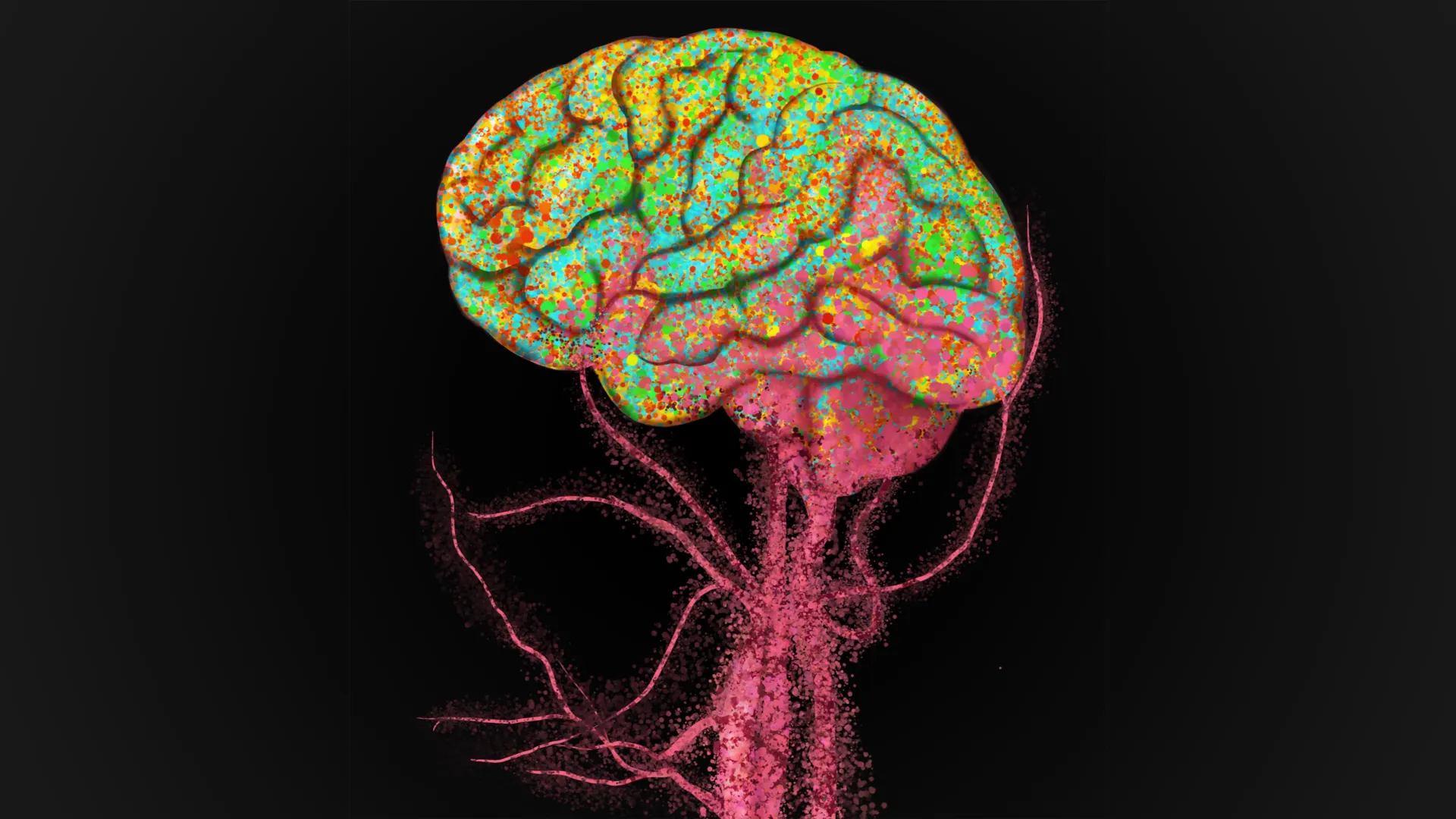

Stanford findings rewrite the rules of brain immunity and open doors to new therapies.
For decades, textbooks treated the brain as sealed off. Its specialized immune cells, called microglia, supposedly arrived before birth and stayed put for life. A blood-brain barrier kept outsiders away. New Stanford research overturns that view.
Immune cells from the blood stream into the human brain as early as middle age. Once inside, many transform into microglia. The discovery, published July 30, 2026 in Nature, shows the aging brain is far more open to the body’s immune system than scientists believed.
Tracing Cell Origins with Genetic Fingerprints
Julia Belk, a postdoctoral scholar in pathology at Stanford Medicine and the study’s first author, led the work with senior authors Siddhartha Jaiswal and Howard Chang. The team examined paired blood and post-mortem brain samples from 20 aged individuals. They used accumulated somatic mutations—random DNA changes that build up in blood stem cells—as natural barcodes.
Matching mutations in blood cells and brain microglia proved the cells shared a common origin. Peripheral immune cells had crossed into the brain and become specialized microglia. This influx appeared in every person studied and could begin by middle age. Single-cell analysis, including mitochondrial DNA lineage tracing, confirmed the infiltrating cells closely resembled resident microglia and sometimes made up a large share of the brain’s immune population.
The process appears uniquely human. It does not occur the same way in mice or non-human primates.
Why This Matters for Alzheimer’s and Aging
Earlier work from the same group linked certain mutated blood-stem-cell clones (clonal hematopoiesis) to lower Alzheimer’s risk. The new findings suggest those protective cells may reach the brain and reshape its immune environment. Large cohort data reinforced a protective association between most forms of clonal hematopoiesis and Alzheimer’s disease.
“We usually think of the brain as a closed system,” Belk said. “What we found is that actually a lot of immune cells enter the human brain during aging.”
The results also raise the possibility of engineered therapies. Scientists could design blood-derived immune cells that enter the brain, clear toxic protein aggregates such as amyloid and tau, and support healthy aging—potentially as a preventive approach.
The study, supported in part by the Knight Initiative for Brain Resilience, reframes brain aging as a conversation between blood and brain. It also highlights a distinctly human feature of growing older that researchers had not previously recognized.